Theme:
Language:
 Gnosis
Chain ID
100
Currency symbol
XDAI
Website
https://docs.gnosischain.com
Block explorer URL
https://gnosisscan.io
| RPC Endpoint | Add to wallet |
|---|---|
| https://rpc.gnosischain.com | |
| https://xdai-archive.blockscout.com | |
| https://gnosis-pokt.nodies.app | |
| https://rpc.gnosis.gateway.fm | |
| https://gnosis-mainnet.public.blastapi.io | |
| https://rpc.ankr.com/gnosis | |
| https://rpc.ap-southeast-1.gateway.fm/v4/gnosis/non-archival/mainnet | |
| https://gnosis.blockpi.network/v1/rpc/public | |
| https://gnosis.api.onfinality.io/public | |
| https://gnosis.drpc.org | |
| https://endpoints.omniatech.io/v1/gnosis/mainnet/public | |
| https://gnosis.publicnode.com | |
| wss://gnosis.publicnode.com | |
| https://1rpc.io/gnosis | |
| https://gnosischain-rpc.gateway.pokt.network | |
| https://web3endpoints.com/gnosischain-mainnet | |
| https://gnosis.oat.farm | |
| wss://rpc.gnosischain.com/wss |
How to use Gnosis RPC Endpoint
You can use the Gnosis RPC Endpoint to connect with Web3 libraries like Ethers.js, Web3, or Web3 wallets like MetaMask, WalletConnect, WalletConnect. This allows you to easily interact with blockchain and use decentralized applications on the Gnosis
Web3 libraries
web3js
   const Web3 = require('web3');

   // Replace 'YOUR_RPC_URL' with the Gnosis RPC endpoint URL
   const rpcURL = https://rpc.gnosischain.com;

   // Create a new Web3 instance using the RPC endpoint
   const web3 = new Web3(new Web3.providers.HttpProvider(rpcURL));

   // Now you can use the 'web3' object to interact with Gnosis
   web3.eth.getBlockNumber()
      .then(blockNumber => {
         console.log('Latest block number:', blockNumber);
      })
      .catch(error => {
         console.error('Error:', error);
      });
ethersjs
   const ethers = require('ethers');

   // Replace 'YOUR_RPC_URL' with the Gnosis RPC endpoint URL
   const rpcURL = https://rpc.gnosischain.com;

   // Create a provider using the Gnosis RPC endpoint
   const provider = new ethers.providers.JsonRpcProvider(rpcURL);

   // You can use the 'provider' object to interact with Gnosis
   provider.getBlockNumber()
      .then(blockNumber => {
         console.log('Latest block number:', blockNumber);
      })
      .catch(error => {
         console.error('Error:', error);
      });
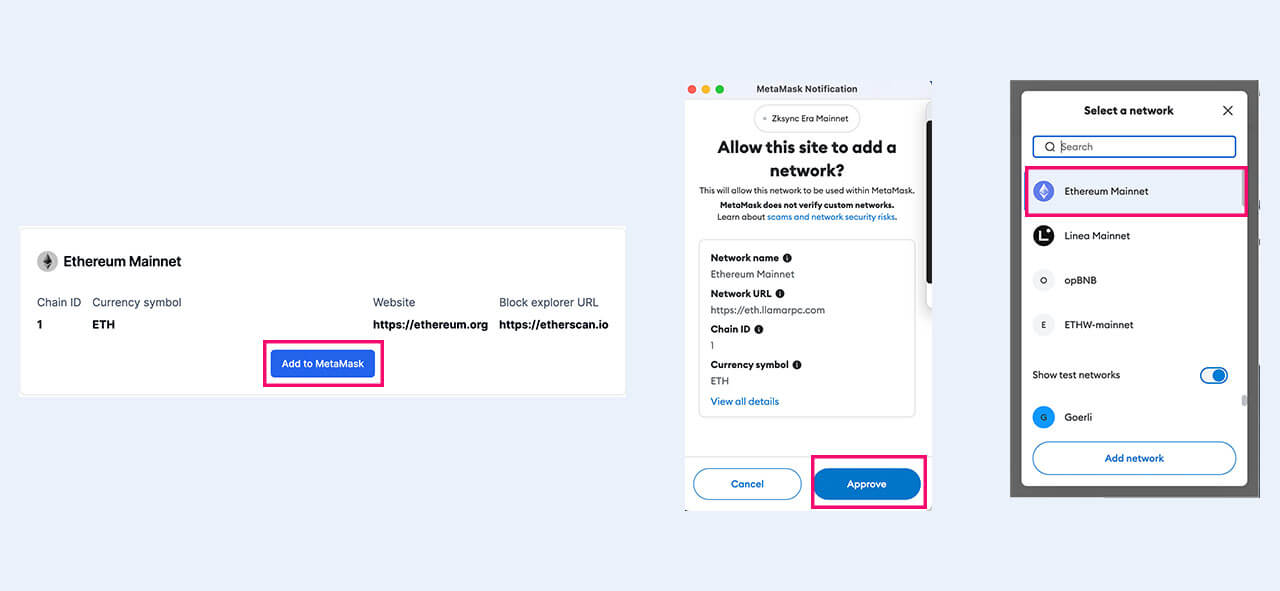
Web3 wallets (Metamask, WalletConnect, Coinbase Wallet, Taho...)